Tuesday, August 8, 2006

Local and Indigenous Knowledge Systems -- LINKS


Rural and indigenous peoples possess their own knowledge, practices and representations of the natural environment, as well as their own conceptions about how human interactions with nature should be managed.

UNESCO launched the LINKS project in 2002 to heighten interdisciplinary and intersectoral action among the elements of its program.

The LINKS project seeks to promote dialogue amongst traditional knowledge holders, natural and social scientists, resource managers and decision-makers in order to enhance biodiversity conservation and secure an active and equitable role for local communities in resource governance. The survival of indigenous knowledge as a dynamic and vibrant resource within rural and indigenous communities depends upon its continuing transmission from generation to generation.

The project website includes links to publications and other resources as well as descriptions of project activities.

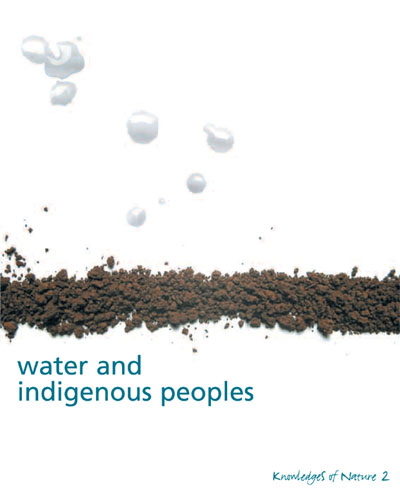
During the Fourth World Water Forum in Mexico City (March 2006), the project published "Water and Indigenous Peoples", based on the papers delivered at the Second and Third World Water Forums (The Hague in 2000 and Kyoto in 2003).
It brings to the fore some of the most incisive indigenous critics of international debates on water access, use and management, as well as indigenous expressions of generosity that share community knowledge and insight in order to propose remedies for the global water crisis.
To request a copy, email - links@unesco.org.

Sunday, August 6, 2006

US Policy toward UNESCO Clarified

The U.S. Ambassador to UNESCO, Louise Oliver, has written to the Director General of UNESCO, Koichiro Matsuura, to clarify that the U.S. government officials "did not ask, and do not wish, to approve contacts with U.S. individuals or non-governmental organizations." As the United States resumed membership in UNESCO, and as the State Department prepared to represent the nation in UNESCO venues, State officials asked that UNESCO make them aware of its contacts with U.S. citizens and organizations. Ambassador Oliver clarified that the request was for information only, and the intention was to enable State to facilitate such contacts. Reports had come to her attention that some UNESCO staff might have misunderstood State's request and were needlessly complicating contacts with people from the United States.

With the clarification, we hope that U.S.-UNESCO linkages will continue to grow and strengthen rapidly!

Saturday, August 5, 2006

New on the Americans for UNESCO website

Laura Bush, UNESCO Honorary Ambassador for the Literacy Decade

A page about the UNESCO Celebrity Advocates has been added to the Americans for UNESCO website. Check it out! It provides links to the programs that allow educators, artists, scientists, athletes,and other distinguished people to lend their support to UNESCO.

The response by the U.S. State Department to UNESCO's questionnaire about its mid-term strategy and next biennial program and budget has also been added to the AU website. Check it out!

Special session of the UNESCO Middle East Task Force to discuss UNESCO’s response to the crisis in Lebanon

On 31 July, Koïchiro Matsuura, Director-General of UNESCO, convened a Special Session of the UNESCO Task Force on the Middle East to discuss the current crisis in Lebanon. The aim of the meeting was to co-ordinate UNESCO’s response to the current situation and to prepare the Organization’s contribution to future recovery and reconstruction efforts by the Lebanese authorities.

To read more about the meeting, click here.