Saturday, November 18, 2006

The Global Microscience Project (GPME)


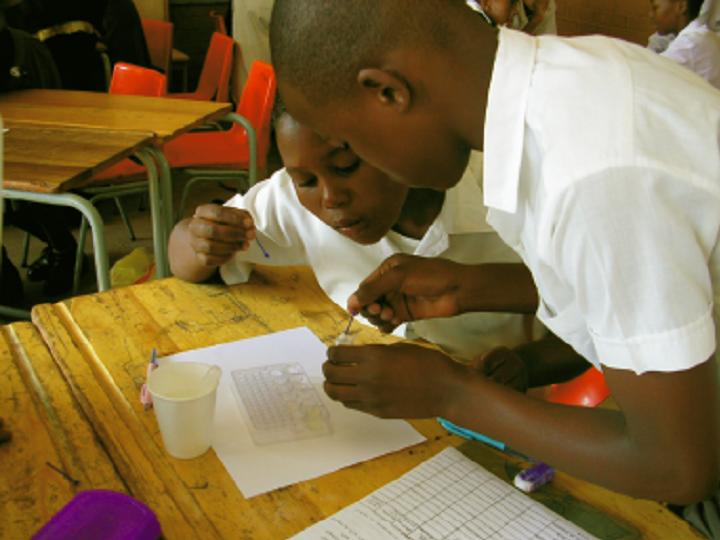
Practical experiences are an essential part of learning science. However, in many countries these experiences are not provided in the majority of their primary and secondary schools. There are several reasons for this: cost, safety, waste disposal and teacher preparation. Indeed, relatively few university students can be trained in science because of these factors. To help overcome these problems, microchemistry and other microscience kits and workbooks have been developed under this UNESCO project.

The project has been in existence for several years, and more than 80 countries have introduced microchemistry workshops and training courses. In some countries, UNESCO-Associated Centers have been established to further develop the microscience project. Now, English versions of the available microscience materials provide coverage of all educational levels: from primary to all of the secondary level (and university/tertiary level in some cases). While the set of teaching and learning packages is only complete in English, many specific microscience materials are available in other languages.

Download Microscience Materials (English Version): Click on the materials to download the different chapters.
I. Primary Microscience Experiences

II. Chemistry

III. Physics (Microelectricity)

IV. Biology

The Global Microscience Project (GPME)


Practical experiences are an essential part of learning science. However, in many countries these experiences are not provided in the majority of their primary and secondary schools. There are several reasons for this: cost, safety, waste disposal and teacher preparation. Indeed, relatively few university students can be trained in science because of these factors. To help overcome these problems, microchemistry and other microscience kits and workbooks have been developed under this UNESCO project.

The project has been in existence for several years, and more than 80 countries have introduced microchemistry workshops and training courses. In some countries, UNESCO-Associated Centers have been established to further develop the microscience project. Now, English versions of the available microscience materials provide coverage of all educational levels: from primary to all of the secondary level (and university/tertiary level in some cases). While the set of teaching and learning packages is only complete in English, many specific microscience materials are available in other languages.

Download Microscience Materials (English Version): Click on the materials to download the different chapters.
I. Primary Microscience Experiences

II. Chemistry

III. Physics (Microelectricity)

IV. Biology
Friday, November 17, 2006

UNESCO's Decentralization Policy

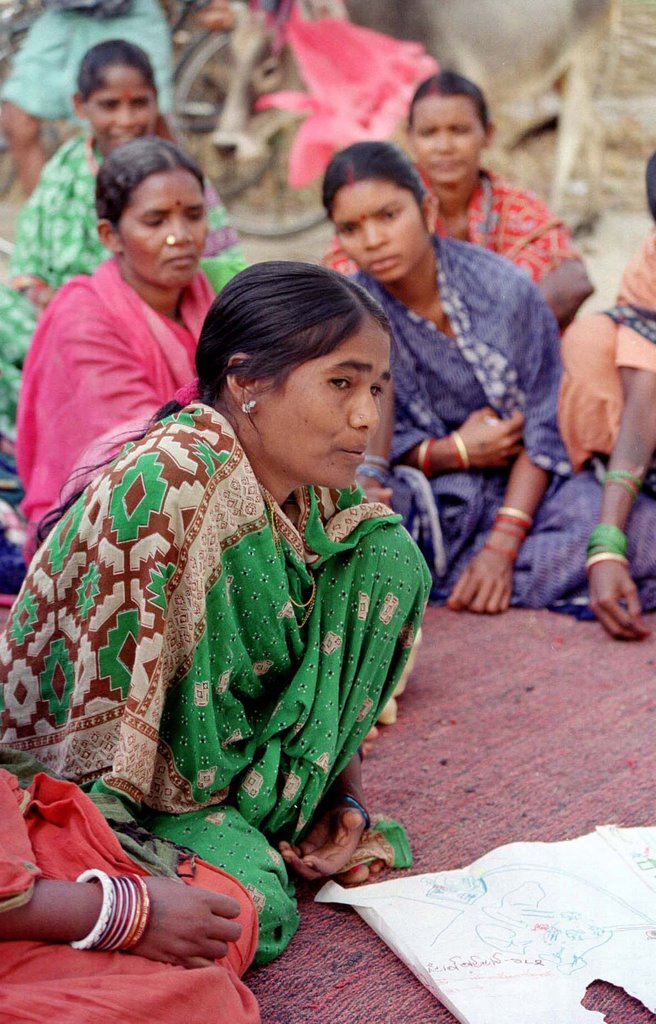
UNESCO's decentralization policy seeks to ensure that UNESCO designs and implements programs that, although global in scope, are adapted to the needs and specific circumstances of Member States. Special attention is given to developing countries and their local socio-economic, geographical, cultural and political contexts.

UNESCO's Decentralization Action Plan groups Member States for service by a global network of multi-disciplinary Cluster Offices, National Offices, Regional Bureaus and Liaison Offices. The Bureau of Field Coordination is responsible for ensuring the smooth implementation of this new field network and provides a clear, single line of management. In addition, UNESCO Institutes and centers with well defined mandates and operations exist worldwide.

Click on the subtitle below for linked lists of the relevant offices.

Cluster Offices
These are the main platform for delivery of all UNESCO activities. They are multidisciplinary, ideally with each Sector represented. The Head of Office, while often having a background in a particular field, mostly play executive roles, managing the Program Specialists covering the various domains. The office implements a cluster program which is the result of consultation and consensus; National Offices join that cluster program.

National Offices
National Office programs are more focused, according to their individual purposes. They implement a time-bound national program, which results from consultations within that country. They assist in devising the cluster program where that Member State is concerned.

Regional Bureaus
Each Regional Bureau is responsible for the program in a given region and program domain; the programs are implemented through the Cluster and National Offices and drawn up through regional consultations. Regional Bureaus are almost always located in a Cluster Office and as such benefit from staff in a variety of fields, but often have an additional complement in their own substantive domain. Those staff with regional responsibilities based in offices other than Regional Bureaus act first and foremost as Program Specialists answerable to the Head of their Office. Regional Bureaus have no representational authority, nor do they oversee the Cluster and National Offices in hierarchical terms.

Liaison Offices
Liaison offices in New York and Geneva maintain close relationship with the Headquarters of the United Nations and other United Nations organizations.

Websites of UNESCO Institutes and Centers
There are two UNESCO international Centers and nine Institutes. They are all linked to this website.

UNESCO's Decentralization Policy

UNESCO's decentralization policy seeks to ensure that UNESCO designs and implements programs that, although global in scope, are adapted to the needs and specific circumstances of Member States. Special attention is given to developing countries and their local socio-economic, geographical, cultural and political contexts.

UNESCO's Decentralization Action Plan groups Member States for service by a global network of multi-disciplinary Cluster Offices, National Offices, Regional Bureaus and Liaison Offices. The Bureau of Field Coordination is responsible for ensuring the smooth implementation of this new field network and provides a clear, single line of management. In addition, UNESCO Institutes and centers with well defined mandates and operations exist worldwide.

Click on the subtitle below for linked lists of the relevant offices.

Cluster Offices
These are the main platform for delivery of all UNESCO activities. They are multidisciplinary, ideally with each Sector represented. The Head of Office, while often having a background in a particular field, mostly play executive roles, managing the Program Specialists covering the various domains. The office implements a cluster program which is the result of consultation and consensus; National Offices join that cluster program.

National Offices
National Office programs are more focused, according to their individual purposes. They implement a time-bound national program, which results from consultations within that country. They assist in devising the cluster program where that Member State is concerned.

Regional Bureaus
Each Regional Bureau is responsible for the program in a given region and program domain; the programs are implemented through the Cluster and National Offices and drawn up through regional consultations. Regional Bureaus are almost always located in a Cluster Office and as such benefit from staff in a variety of fields, but often have an additional complement in their own substantive domain. Those staff with regional responsibilities based in offices other than Regional Bureaus act first and foremost as Program Specialists answerable to the Head of their Office. Regional Bureaus have no representational authority, nor do they oversee the Cluster and National Offices in hierarchical terms.

Liaison Offices
Liaison offices in New York and Geneva maintain close relationship with the Headquarters of the United Nations and other United Nations organizations.

Websites of UNESCO Institutes and Centers
There are two UNESCO international Centers and nine Institutes. They are all linked to this website.

Thursday, November 16, 2006

Winners of the 2006 UNESCO Literacy Awards

© UNESCO/B. O'Malley
The UNESCO prizes are awarded annually in recognition of particularly effective contributions to the fight against illiteracy, one of UNESCO’s priorities. This year’s Prizes have been attributed to the following literacy projects:

The UNESCO International Reading Association Literacy Prize* has been awarded to the National Commission for Human Development (NCHD) of Pakistan, which provides literacy classes to adults and to out-of-school children, recruits volunteers and schoolteachers to ensure wide community participation in the enrolment of children in school. >> More

The Mother Child Education Foundation (Turkey) has received one of the two UNESCO King Sejong Literacy Prizes** for its contribution to literacy, and to raising women’s political awareness and participation in decision-making processes. The other UNESCO King Sejong Literacy Prize was given to the Youth and Adult Literacy and Education Chair of the Latin American and Caribbean Pedagogical Institute of the Republic of Cuba (IPLAC). Its program – Yo, sí puedo – has been adapted to, and replicated in different parts of the world.

As for the two UNESCO Confucius Prizes for Literacy***, awarded for the first time this year, one prize was presented to the Ministry of National Education of the Kingdom of Morocco for its Non-formal Education Programme designed specifically for marginalized adolescents in rural areas. The other UNESCO Confucius Prizes for Literacy is awarded to the Directorate of Literacy and Continuing Education of Rajastan, India for having raised literacy significantly among both men and women during the past decade through innovative programs – including educational camps covering subjects such as vaccination, sanitation, child care, family planning, environmental issues, etc.

*The US $ 20,000 UNESCO International Reading Association Literacy Award was founded in 1979 thanks to the International Reading Association.

**The two US $ 20,000 King Sejong Literacy Prizes were created in 1989 through the generosity of the government of the Republic of Korea.

***The US $ 20,000 UNESCO Confucius Prize for Literacy was established 2005 through the generosity of the Government of the People’s Republic of China.

Winners of the 2006 UNESCO Literacy Awards

© UNESCO/B. O'Malley
The UNESCO prizes are awarded annually in recognition of particularly effective contributions to the fight against illiteracy, one of UNESCO’s priorities. This year’s Prizes have been attributed to the following literacy projects:

The UNESCO International Reading Association Literacy Prize* has been awarded to the National Commission for Human Development (NCHD) of Pakistan, which provides literacy classes to adults and to out-of-school children, recruits volunteers and schoolteachers to ensure wide community participation in the enrolment of children in school. >> More

The Mother Child Education Foundation (Turkey) has received one of the two UNESCO King Sejong Literacy Prizes** for its contribution to literacy, and to raising women’s political awareness and participation in decision-making processes. The other UNESCO King Sejong Literacy Prize was given to the Youth and Adult Literacy and Education Chair of the Latin American and Caribbean Pedagogical Institute of the Republic of Cuba (IPLAC). Its program – Yo, sí puedo – has been adapted to, and replicated in different parts of the world.

As for the two UNESCO Confucius Prizes for Literacy***, awarded for the first time this year, one prize was presented to the Ministry of National Education of the Kingdom of Morocco for its Non-formal Education Programme designed specifically for marginalized adolescents in rural areas. The other UNESCO Confucius Prizes for Literacy is awarded to the Directorate of Literacy and Continuing Education of Rajastan, India for having raised literacy significantly among both men and women during the past decade through innovative programs – including educational camps covering subjects such as vaccination, sanitation, child care, family planning, environmental issues, etc.

*The US $ 20,000 UNESCO International Reading Association Literacy Award was founded in 1979 thanks to the International Reading Association.

**The two US $ 20,000 King Sejong Literacy Prizes were created in 1989 through the generosity of the government of the Republic of Korea.

***The US $ 20,000 UNESCO Confucius Prize for Literacy was established 2005 through the generosity of the Government of the People’s Republic of China.

UNESCO Beijing Office: The Education Programs


The goal of Education for All (EFA) is at the core of UNESCO Beijing’s Regular Program in education, with emphasis on expanding opportunities for women, girls and ethnic minorities. A highlight of the education program by UNESCO Beijing is its cooperation with the International Research and Training Center for Rural Education (INRULED).

The Office continues to support the Golden Key Research Center of Education for the Visually Impaired. Golden Key is a Chinese non-governmental organisation dedicated to educating visually impaired children in rural areas.

UNESCO has been providing support to China, D.P.R. Korea and Mongolia under the transdisciplinary program on “Educating for a Sustainable Future (EPD)”, for their national efforts in integrating issues of environment, population, health, and development through education, training and information activities. UNESCO Beijing also contributes to the development of technical and vocational education in these three countries, thereby promoting a “learning society” in which education is no longer restricted to its traditional forms.

The UNESCO Beijing Office regularly cooperates with UNDP, UNICEF and other UN agencies on a number of projects and inter-agency activities. With UNDP China, UNESCO Beijing has been working as a technical cooperative agency for the project “Capacity Building for Environmental Education in Primary and Middle Schools through the Production of Interactive Teaching Materials.” It is also implementing the project “Improving Nine-year Compulsory Education in Poor Areas, Focussing on Girl Students”.